Your First Zipline: What I Tell Nervous Guests
A falls guide's honest pre-zipline talk: how the braking works, why the harness deserves your trust, and how to handle rain days and nerves.
 By Kekoa Kalani, Akaka Falls tour guide and island nature specialist
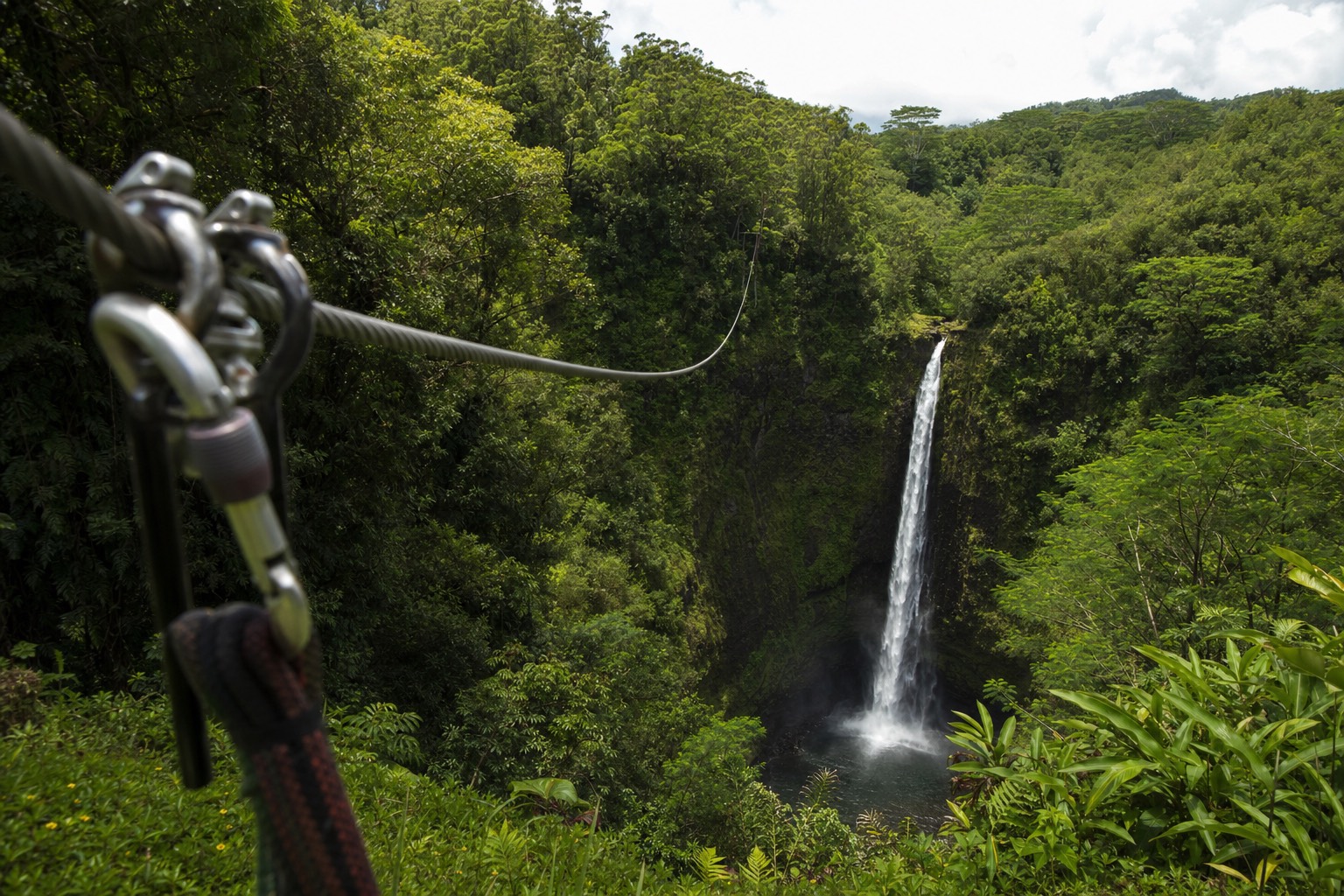
A woman from Ohio once gripped my arm at the ʻAkaka Falls lookout and told me she had booked the zipline for the next morning and had not slept properly since. She wanted me to talk her out of it. I did the opposite, gently, and two days later she found me in Honomū to report, her words, that it was the best thing she did in Hawaii and the scariest part was the van ride up.
I have had a version of that conversation dozens of times since 2015. So here is the whole talk, written down, for anyone lying awake before their first line.
The fear is normal and the physics are boring
Your body is reacting to an old rule: do not step off high places. That rule kept your ancestors alive and it does not read waivers. So the goal is not to feel no fear. The goal is to let the boring facts outvote it.
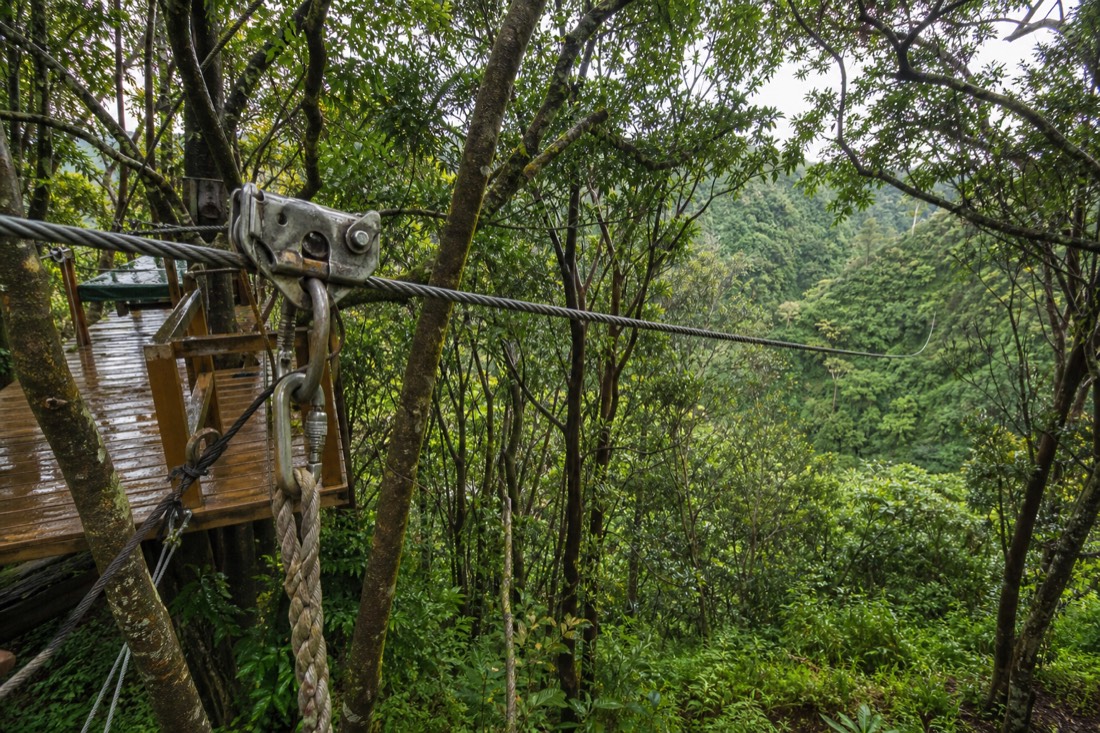
And they are boring, in the best way. You are clipped to a trolley riding a steel cable, wearing a full-body or seat harness that is doing all of the work whether you flex or not. Modern commercial lines on this coast use guide-managed braking, and the crew clips, checks and double-checks you before anyone leaves a platform. Your job description on a zipline is: sit. That is the entire job. I do not run this zipline and I will not pretend to, so take the specifics of gear and braking from the crew's own safety talk on the day. What I can tell you is what years of sending guests up there, and hearing every debrief after, has taught me about how the fear actually behaves.
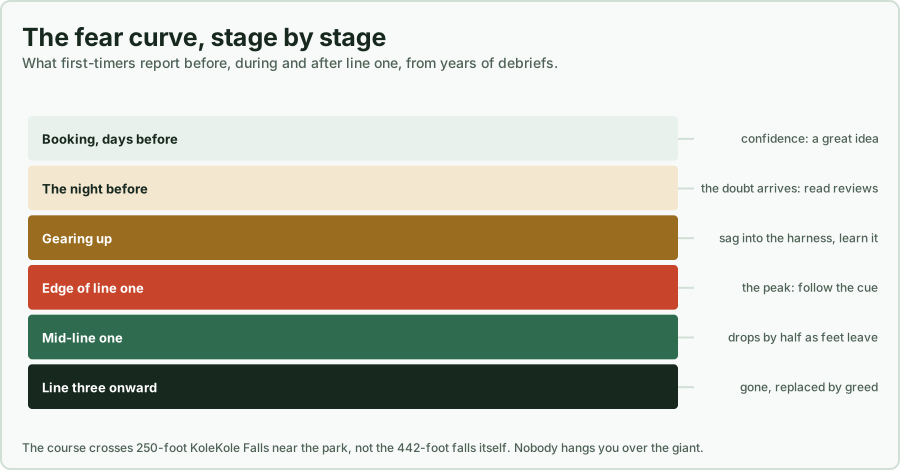
It behaves like this: it peaks at the edge of the first platform, drops by half the moment your feet leave, and is mostly gone by line three, replaced by something embarrassingly close to greed for the next one.
| Stage | What guests tell me it feels like | What helps |
|---|---|---|
| Booking, days before | Confidence, this was a great idea | Nothing needed, enjoy it |
| The night before | The Ohio phase, why did I book this | Read the recent reviews on the listing, plenty of people went before you |
| Gearing up | Nervous jokes, sweaty palms | Ask the crew questions, they answer these all day |
| Edge of line one | The peak, every instinct objecting | Do not look for a countdown in your head, just follow the guide's cue |
| Mid-line one | A shock of quiet, then delight | Look out at the coast, not down at your shoes |
| Line three onward | Requests to go again | None, you are one of us now |
Which waterfall are you actually flying over?
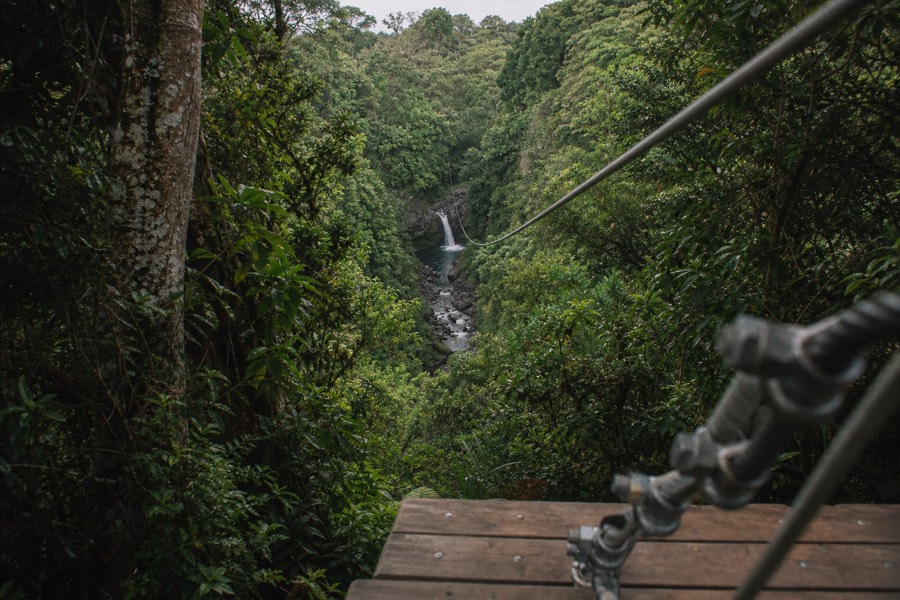
KoleKole Falls, not ʻAkaka Falls. The course near the park crosses KoleKole, a 250-foot waterfall on the same stream system, per the operator's listing. Nobody hangs you over the 442-foot ʻAkaka. The two are neighbors on the same wet coast, not the same drop, and any nerves built on the taller image can be retired now.
I am precise about this on every page of this site because the confusion sends people into their morning already scared of the wrong thing. ʻAkaka Falls is a fenced viewing loop inside a state park: you look at it, you do not go near it, and the gorge below the lookout is closed. The zipline is a separate business on separate ground a few minutes away, and its signature crossing looks down on a different waterfall entirely.
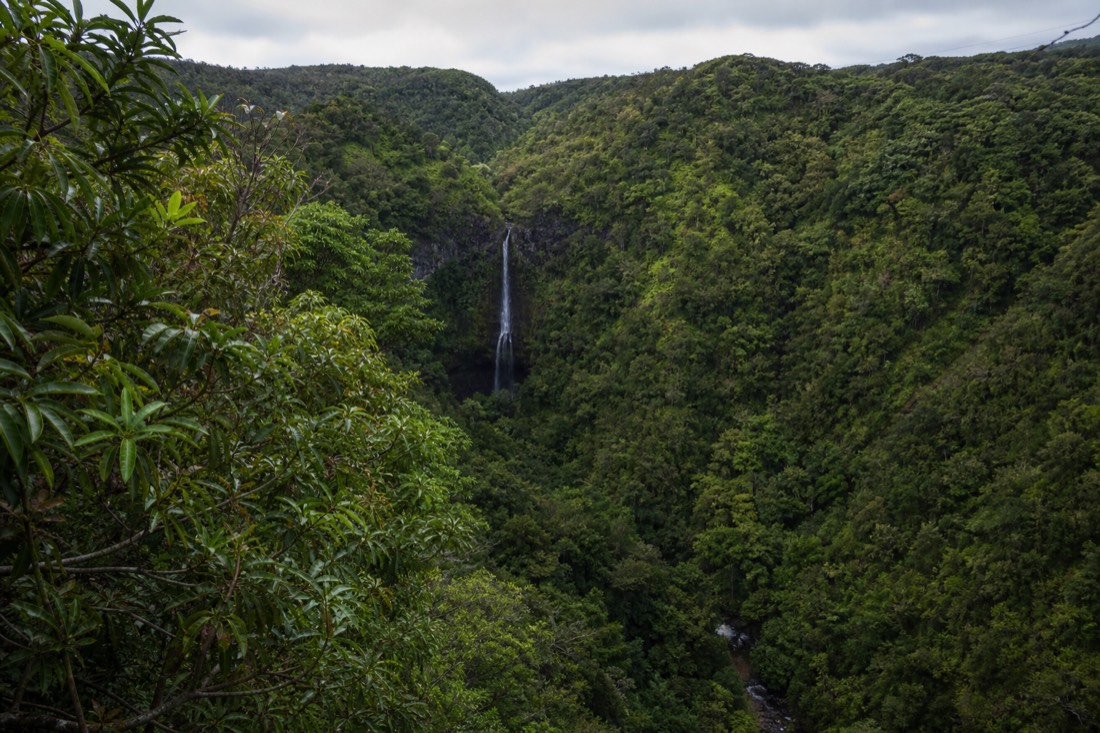
Practically, that is good news twice over. The KoleKole crossing gives you a waterfall view almost nobody gets from ground level, and it leaves ʻAkaka intact as its own separate stop, best done early. Most guests who do both treat the park as the calm hour and the lines as the loud one. If you want to see how they stack in a single morning, the zipline page walks the course and its variants, and you can check which departure times are still open before you commit to an order.
Trust the harness before you feel like trusting it
Here is the mental trick that works better than anything else I have offered guests: while you are still on flat ground, in gear, sag into the harness. Actually sit down into it, feet on the deck. Feel it take your full weight without you doing anything. Your body learns in three seconds what your brain has been refusing to accept all morning, that the hanging part is already solved and was never up to you.
The second trick is where you point your eyes. Down the line, out at the gulch, at the water. Not at your feet. Looking down at your own dangling shoes is how you keep the fear on life support; looking out across a Hamakua gulch is how you notice you are flying over the kind of scenery people cross oceans for. This coast pulls close to 84 inches of rain a year, and every inch of it shows up as green below you.
What to wear is the question I get most after the fear ones, and the answer is short.
| Bring or wear | Skip |
|---|---|
| Closed-toe shoes that will stay on | Slippers and slides, most operators will not let them fly |
| Shorts or pants comfortable in a harness | Skirts and anything you cannot cinch a leg loop over |
| A light rain layer, this is the wet side | An umbrella, obviously, and anything you would cry about losing |
| Hair tie for long hair, under the helmet | Loose hats and loose sunglasses, unsecured phones |
| The confirmation and a checked age/weight box | Guessing on limits, more on that below |
On limits: the operator publishes rider requirements, weight ranges and age rules on the listing, and they enforce them at check-in with a scale, not an honor system. I am deliberately not printing numbers here because they are the operator's to set and change. Check the listing before you book, especially for kids and for anyone near a boundary, and if you are unsure, message the operator first.
Rain days, and why they are usually still go days
Guests panic-check the forecast the night before and see rain icons, because the forecast for this coast almost always shows rain icons. Ziplines here run in rain. It is a rainforest course; if drizzle canceled things, nothing on this side of the island would ever operate. Light rain honestly improves it, the gulch steams, the falls fatten, and the lines are quieter. What stops a course is lightning or serious wind, and that call belongs to the crew, who make it with better information than your weather app has. If they cancel, the cancellation terms on the listing cover you.
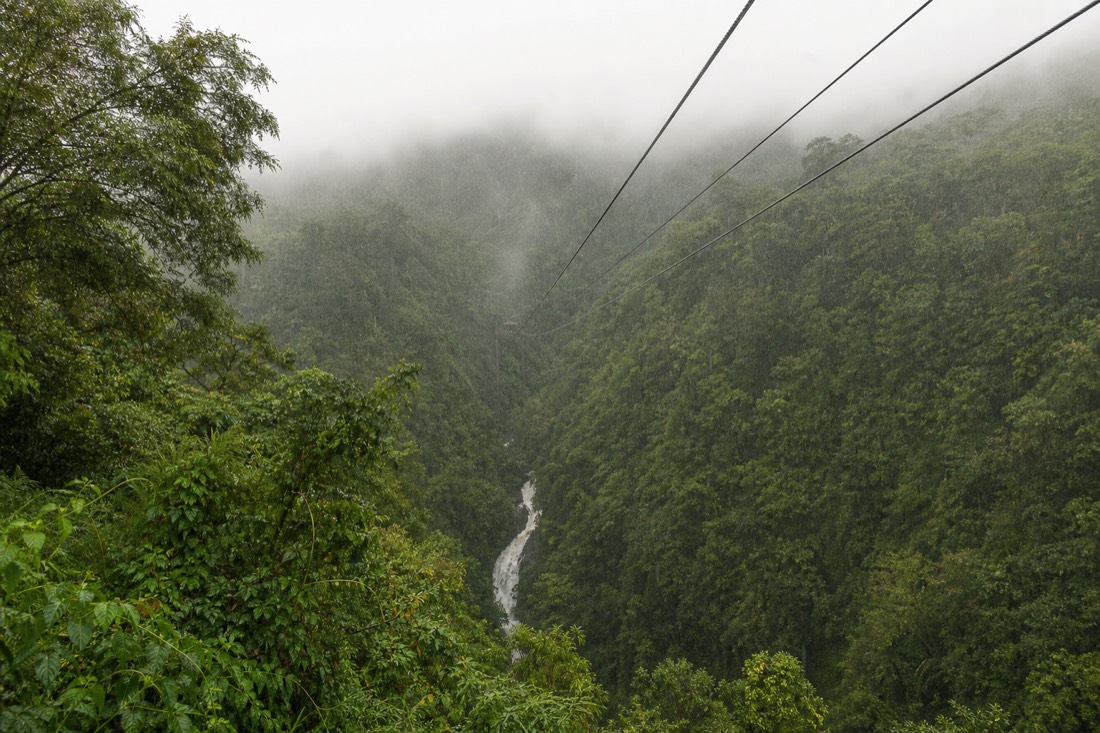
The same logic runs the whole coast, and I wrote up how rain changes the falls themselves if you want the fuller weather picture for your day. The short version: a wet forecast is a bad reason to cancel anything here, and a genuinely good reason to bring a second shirt.
Cruise mornings and other tight windows
Ship days are their own puzzle. You dock in Hilo, you have somewhere between six and nine hours depending on the itinerary, and the two things you want are on opposite sides of the same short stretch of coast. It is doable, but only if the transport is solved before you walk down the gangway.
The version that works for most cruise passengers is a half-day zipline outing with pickup at the terminal, which removes the taxi gamble and the "will we make it back" arithmetic that ruins the last hour of a port day. If you would rather build the day around the park instead, the cruise port to the falls guide lays out the timings, and one cruise day in Hilo is my hour-by-hour version of it. For the lines with a terminal pickup already built in, see whether it runs on your ship's date as soon as you know your port day.
Zipline morning or lookout morning, or both
Some people should not book the zipline, and I tell them so at the railing. Not because of danger, but because of fit. The state park already offers one of the great cheap hours in Hawaii, and for some travelers that hour is the whole assignment.
| You | My honest call |
|---|---|
| Afraid of heights but curious, secretly thrilled | Book it, you are exactly who ziplines are for |
| Traveling with kids near the listing's limits | Message the operator first, then decide |
| Mobility is the concern, stairs are hard | The lookout via the shortcut path may fit better; see the kids and seniors guide |
| One morning, tight budget | The park wins, $20 a couple is unbeatable |
| Waterfall obsessive with a free half day | Both, park at 8:30, lines after, they stack cleanly |
| Cruise passenger on a Hilo clock | Both is doable but count your hours honestly |
There is one more group: people who want the adrenaline to come with water rather than altitude. For them the answer is a guided waterfall hike where you actually get in, which is half a day, a fraction of the height, and the closest thing to the Hawaii people picture before they arrive. If a cable is a hard no but a swim is a hard yes, the guided hike-and-swim day is the one I would look at instead.
The woman from Ohio, by the way, sent me one photo afterward. It is her on line four, arms out, mouth open in what is unmistakably a yell of the good kind, KoleKole white in the background. She had it printed for her fridge. That is the usual ending to this story, and it is why I keep giving the talk.
Adventure days near the falls
Zipline over KoleKole Falls, next to Akaka Falls
About 2.5 hours
from $246per person, varies by date Check availability →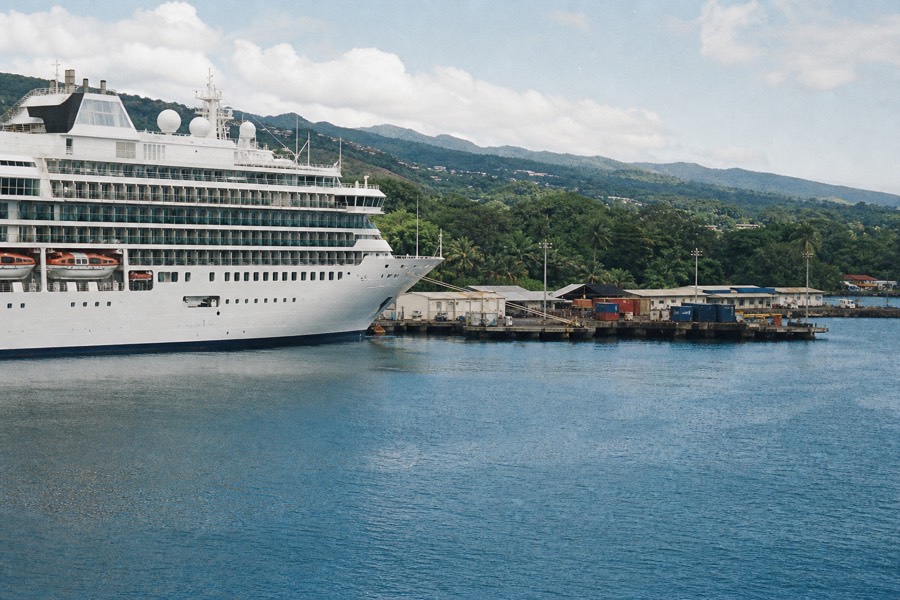
Hilo zipline with cruise-ship pickup
Half day
from $309per person, varies by date Check availability →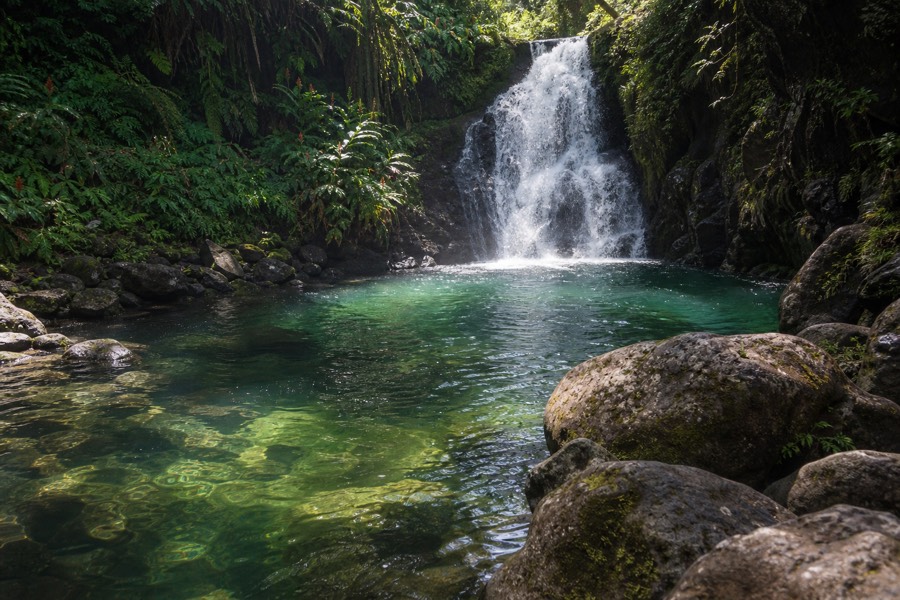
Waterfall hike & swim with a Native Hawaiian guide
Half day
from $150per person, varies by date Check availability →