Akaka Falls, Volcanoes & Rainbow Falls day
Full day
from $188per person, varies by date Check availability →The falls take an hour. Hilo can carry the rest of the day, if you know which stops earn their slot.
 Verified by Kekoa Kalani, Akaka Falls tour guide and island nature specialist
Short answer
Hilo fills a day easily around a falls visit. The strongest stops are Rainbow Falls and Boiling Pots at Wailuku River State Park, Liliʻuokalani Gardens, the Hilo Farmers Market, and downtown's old wooden storefronts. When rain moves in, ʻImiloa Astronomy Center and the Pacific Tsunami Museum are the swaps I send guests to.
Hilo smells like rain on warm pavement most mornings, and I mean that as a compliment. I have been guiding visitors to ʻAkaka Falls since 2015, and the question I hear on almost every drive back down Highway 220 is the same one: the falls took an hour, so what do we do with the rest of the day? The honest answer is that Hilo is the best half-day town on the island, as long as you treat it as a set of short stops rather than one big attraction.
Everything below is built around a falls visit, because that is how most of my guests arrive at Hilo in the first place. The park sits about 11 miles north of town and opens at 8:30am, so the natural shape of the day is falls first, Hilo after. That single ordering decision fixes most of the problems people run into: the parking lot, the light, the weather, the rush. Here is how I stack the rest of it.
A half day covers the core: Rainbow Falls and Boiling Pots on the way back into town, Liliʻuokalani Gardens by the bay, and a walk through downtown's old storefronts with lunch. A full day adds the farmers market, ʻImiloa or the Panaʻewa zoo, and an unhurried Hamakua Coast drive north.
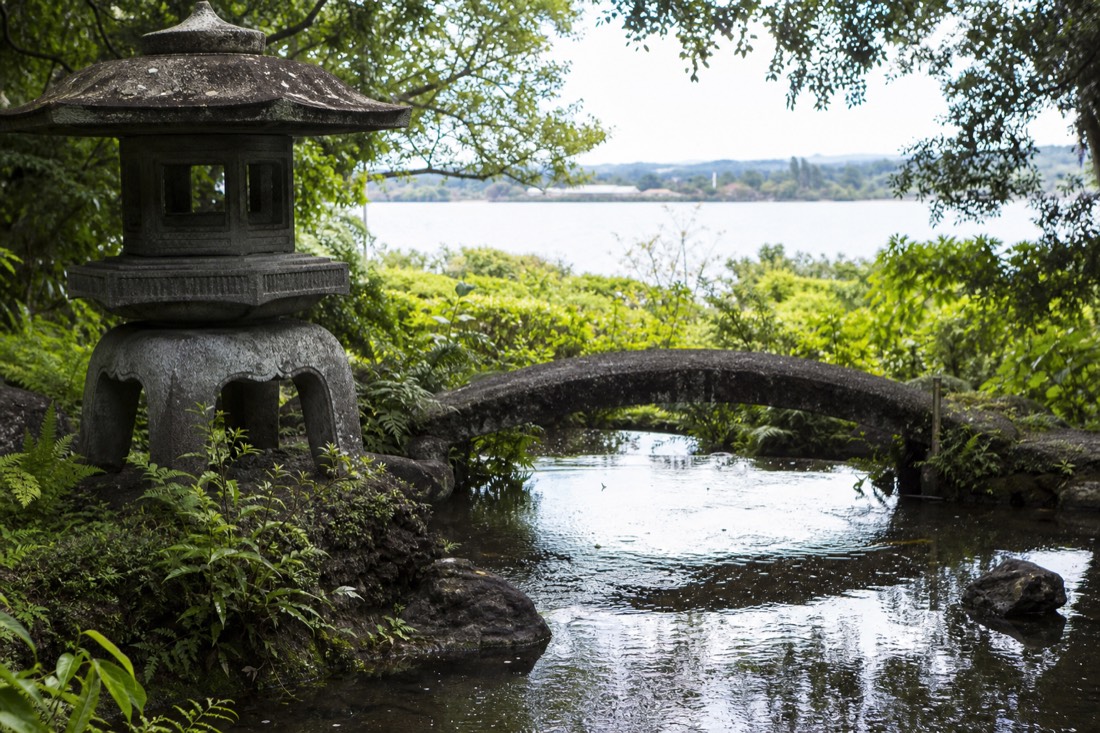
The half-day version works because the stops sit close together and none of them needs more than an hour. Rainbow Falls is inside town limits at Wailuku River State Park, a two-minute walk from its parking lot. Liliʻuokalani Gardens is a 30-acre Japanese garden with fishponds, pagodas and rock gardens, laid out along the bayfront, and it is the calmest place in Hilo to let a morning settle. Downtown is compact enough that parking once covers the galleries, the shops and lunch.
The full-day version is the same skeleton with more meat on it. You add the Hilo Farmers Market downtown, which the state tourism office calls one of the best open markets in Hawaiʻi, with fresh fruit, vegetables, plants and local crafts. You add either ʻImiloa Astronomy Center or the Panaʻewa Rainforest Zoo depending on who is in the car. And if the weather is holding, you stretch north along the Hamakua Coast instead of turning around at the falls, which I cover properly in the Waipiʻo Valley and Hamakua Coast guide.
A word on pace before the table. Hilo is a town where four good stops beat eight rushed ones, and the difference shows up in how people talk about the day afterwards. Guests who do the whole list come back with photographs and no stories. Guests who sit in the gardens for forty minutes come back talking about the light on the fishponds. Build the day for the second outcome.
| Plan | Stops in order | Rough time | Best for |
|---|---|---|---|
| Half day | ʻAkaka Falls, Rainbow Falls, Liliʻuokalani Gardens, downtown lunch | 4 to 5 hours | Cruise days, afternoon flights |
| Full day | Add farmers market, ʻImiloa or Panaʻewa Zoo, Hamakua Coast drive | 8 to 9 hours | Anyone staying Hilo-side |
| Full day, volcano version | ʻAkaka Falls, quick Hilo pass, Hawaiʻi Volcanoes National Park | 8 to 10 hours | One-shot Big Island days |
| Rain-heavy day | ʻAkaka Falls, ʻImiloa, tsunami museum, downtown arcades | 6 to 7 hours | Winter weeks, storm fronts |
That third row is its own animal. Hawaiʻi Volcanoes National Park sits about 45 minutes south of Hilo, and pairing it with the falls makes for a long but genuinely great day. Doing both by rental car is possible and plenty of people manage it. What sinks the plan is usually the return leg, when everyone is tired, the light has gone, and the park exit road is dark. If somebody else is holding the wheel that stops being a problem, which is why the falls-and-volcano days out of Hilo sell as well as they do.
Rainbow Falls, Liliʻuokalani Gardens and downtown are near-automatic yes. The farmers market is worth it when you are hungry. ʻImiloa, the Lyman Museum, the Pacific Tsunami Museum and the Panaʻewa Rainforest Zoo are audience-dependent picks: excellent for the right person, skippable for others.
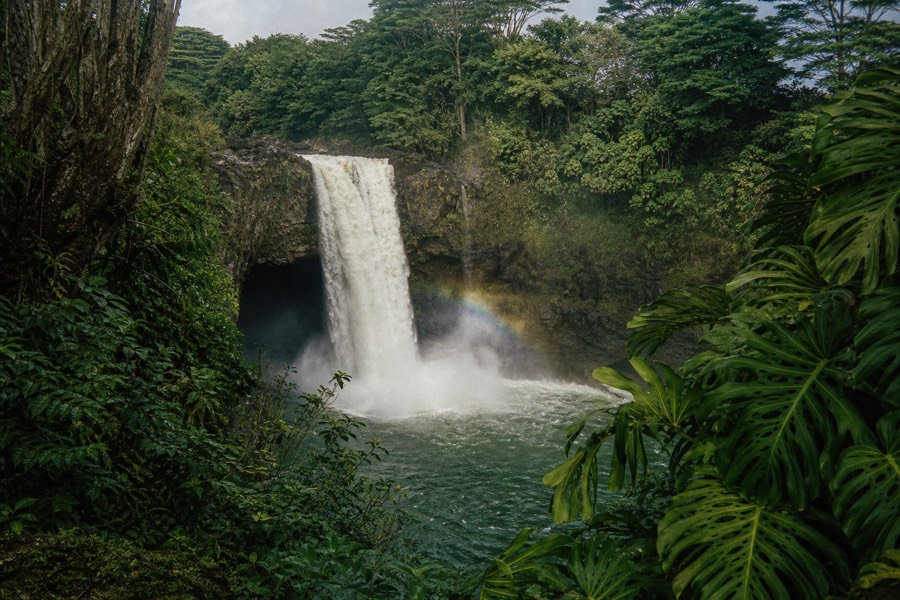
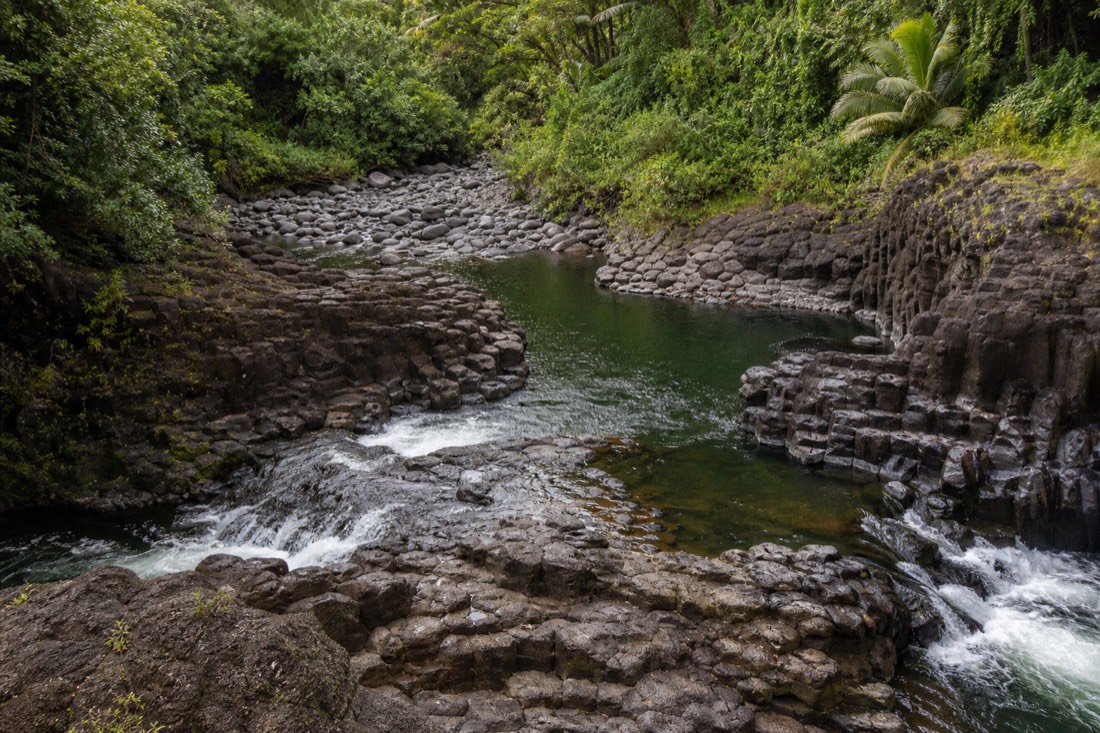
I rate stops by one measure, and it is not beauty. It is what you get per minute spent, door to door, including the parking. Rainbow Falls scores absurdly well on that scale. Wailuku River State Park opens daily at 7:00am and closes at 5:30pm with the gates locked at 6:00pm, the falls drop 80 feet, and the state park page notes the rainbow that forms in its mist on sunny mornings. Boiling Pots, a short drive up the same river, is a succession of big pools lined with hexagonal basalt columns formed as lava cooled slowly, fed by Peʻepeʻe Falls above them. The official page also records the local tradition tying the cave behind the falls to Hina, mother of the demigod Māui. I compare Rainbow Falls to ʻAkaka properly in Rainbow Falls vs ʻAkaka Falls.
ʻImiloa is the stop I have changed my mind about. For years I treated it as a rainy-day fallback. Then I watched a family spend two hours in there and come out able to explain why Maunakea matters to astronomers and to Hawaiians at the same time, which is not a small thing to walk away with. The centre sits in three titanium cones representing the island's three tallest mountains, Maunakea, Maunaloa and Hualālai, and that architectural detail tells you what the place is trying to do.
The zoo divides people, so I will be direct about it. Panaʻewa is the only rainforest zoo in the country and it has two Bengal tigers, and if you have children under about ten it is a easy win. If you do not, it is forty minutes you could have spent on the bayfront. The museums split the same way. The Pacific Tsunami Museum is the one I push hardest for adults, because Hilo's relationship with the ocean is not decorative history here, and the 1946 wave is still a living memory on this coast.
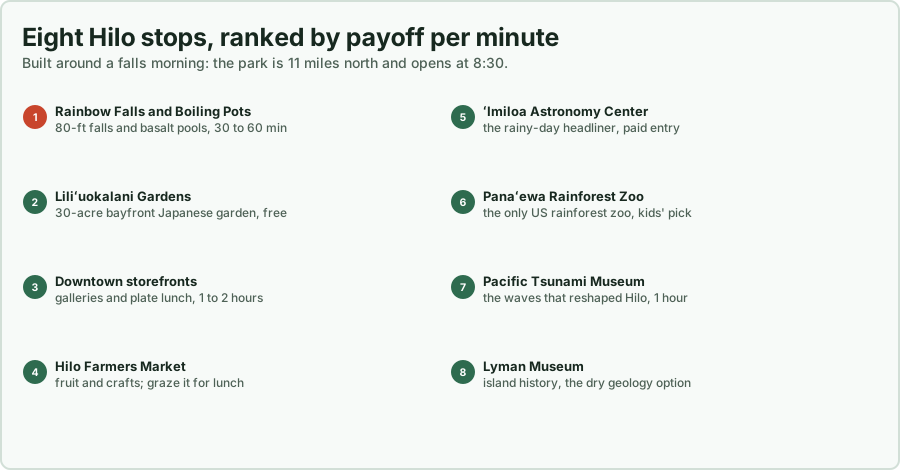
| Stop | What it is | Time | Cost notes |
|---|---|---|---|
| Rainbow Falls / Boiling Pots | 80-ft falls and basalt pools, Wailuku River State Park | 30 to 60 min | Non-residents $5 per person plus $10 parking, card only |
| Liliʻuokalani Gardens | 30-acre bayfront Japanese garden | 30 to 60 min | Free |
| Hilo Farmers Market | Downtown open market, fruit and crafts | 30 to 60 min | Free entry |
| Downtown Hilo | Centuries-old wooden storefronts, galleries, shops | 1 to 2 hours | Free to wander |
| ʻImiloa Astronomy Center | Astronomy and Hawaiian culture in three titanium cones | 1.5 to 2 hours | Paid entry |
| Panaʻewa Rainforest Zoo | The only rainforest zoo in the US, with two Bengal tigers | 1 to 1.5 hours | See current gate info |
| Lyman Museum | Island history and natural history | 1 hour | Paid entry |
| Pacific Tsunami Museum | The tsunamis that reshaped Hilo | 1 hour | Paid entry |
Two notes from the fee line, because they catch people out. Wailuku River State Park charges non-residents the same way ʻAkaka Falls does, $5 per person plus $10 per vehicle, credit card only, with Hawaiʻi residents free on ID. If you already paid at ʻAkaka that morning, the Wailuku fee is separate and there is no combined ticket. One payment at Wailuku does cover both the Rainbow Falls side and the Boiling Pots side, so do not pay twice inside the same park.
Do the falls first. ʻAkaka opens at 8:30am, the paved loop takes under an hour, and you are back in Hilo before 10:30 with the whole town ahead of you. Build lunch downtown as the hinge of the day, then choose one anchor stop for the afternoon rather than three rushed ones.
The falls-first order is not only about beating the crowds, although it does that too. Morning light on the gorge is kinder, showers tend to build through the afternoon rather than the morning, and an early park entry means the rest of the day never feels like a countdown. I lay out the full sequencing, minute by minute, in the perfect falls day, and passengers working a ship clock should read the cruise port guide instead, because tender times change the arithmetic completely.
There is a second reason to front-load the park, and it is about your own energy rather than the weather. The ʻAkaka loop is 0.4 miles of paved path with multiple stair sections, and the state describes it as requiring some physical exertion. That is accurate. It is not a hike, but it is a set of stairs in humid air, and doing it at 8:45am feels different from doing it at 3pm after five other stops. The trail guide walks through the loop in both directions and explains the shortcut.
One honest note, because this site does not pretend otherwise: you do not need a tour to do any of this. The park costs $5 plus $10 parking, Hilo is easy driving, and this whole page works with a rental car and a full tank. Where a guided day earns its price is narrow but real. It earns it when you want the volcano folded in without doing the return drive in the dark, when you are working a cruise-day clock with a hard all-aboard time, when your group has more than one driver's worth of opinions, or when you would simply rather have someone else hold the plan while you look out of the window. If that is you, the Hilo-pickup day that schedules a full hour at the falls is the one I point people to first, because that extra half hour on the loop is the difference between seeing the waterfall and standing with it.
Come down Highway 220 through Honomū, rejoin Highway 19 south, and take the stops in geographic order rather than in order of interest: Onomea and the four-mile scenic route, then Boiling Pots and Rainbow Falls off Waiānuenue Avenue, then the bayfront. Doing it in that sequence saves roughly half an hour of doubling back.
The falls road is a spur, not a loop, so you come back the way you went up. That drops you into Honomū, the old sugar town that sits at the junction, and it is worth ten minutes even if you did not stop on the way in. The town is a row of timber-frame plantation storefronts holding galleries, craft stores and a couple of places to eat, and it once ran a gas station, a bar and two theatres when sugar was king here. The falls park is 3.6 miles southwest of it, which makes Honomū the natural coffee stop of the morning.
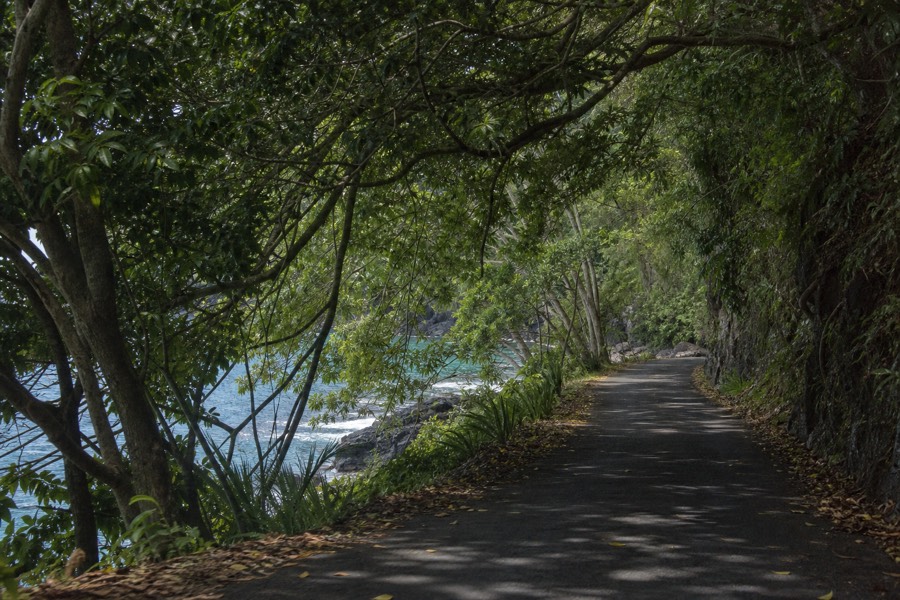
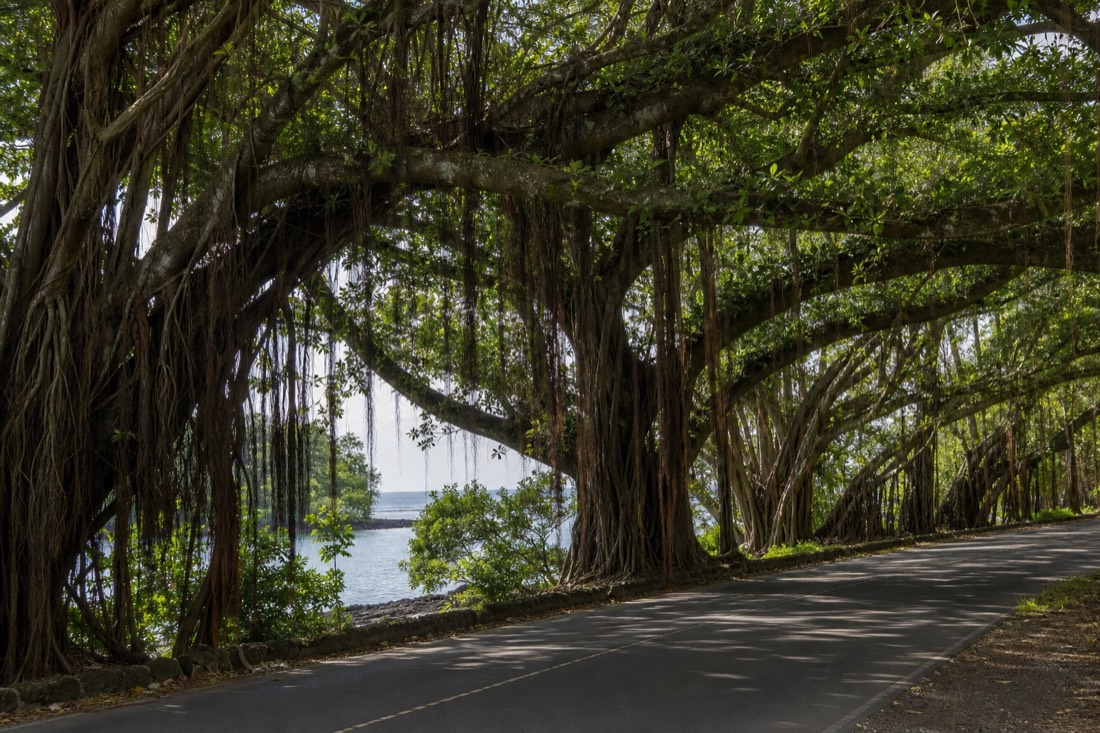
South of Honomū the highway crosses gulch after gulch, and just past mile marker 7 the old Māmalahoa Highway peels off as a four-mile scenic route through Onomea. That detour is the single most underrated twenty minutes on this coast. Jungle closes over the road, one-lane bridges cross streams that were running hard an hour ago, and Onomea Bay opens up below. The Hawaiʻi Tropical Botanical Garden sits right on the bay if you want to stop properly, with a boardwalk down through the valley to the water. If you only have time to drive it, drive it anyway.
Then you are into Hilo, and the town splits along one street. Waiānuenue Avenue runs inland to Rainbow Falls and further up to Boiling Pots, both inside the same state park, both signposted. Downtown and the bayfront sit the other way. Get the river stops done before you park downtown, because once you are out of the car with a plate lunch in front of you, nobody wants to drive back uphill.
| Leg | Distance | Drive time | What it buys you |
|---|---|---|---|
| ʻAkaka Falls to Honomū | 3.6 miles | 10 min | Plantation storefronts, coffee, restrooms |
| Honomū to the Onomea scenic route | About 8 miles | 15 min | Jungle road, one-lane bridges, bay views |
| Scenic route to Waiānuenue Avenue | About 5 miles | 12 min | Straight run into town |
| Waiānuenue to Boiling Pots | 2 miles inland | 6 min | Basalt pools, Peʻepeʻe Falls |
| Boiling Pots to Rainbow Falls | 1.5 miles back down | 5 min | Same park entry, morning mist |
| Rainbow Falls to the bayfront | 2 miles | 8 min | Gardens, market, downtown lunch |
If you are coming from the other side of the island the whole calculation changes, and I have written it out in the Kona to ʻAkaka Falls guide. The short version is that a Kona-based self-drive spends more time on the saddle than in Hilo, which is exactly the case where handing over the driving is worth real money. Guests staying on the resort coast who still want this waterfall morning usually end up on the waterfall day that starts on the Kona side, because it turns two crossings of the island into a day you spend looking at the scenery instead of at the centre line.
Move your indoor stops into the wet hours and keep the falls for any break in the weather. ʻImiloa, the Lyman Museum, the Pacific Tsunami Museum and the East Hawaiʻi Cultural Center all sit within a short drive of each other, and rain actually improves the waterfalls themselves.
Rain is not a Hilo problem, it is the Hilo operating system. The Hamakua Coast just north of town takes in nearly 84 inches of rain a year, and that water is exactly why the falls run and the gulches glow the colour they do. After a decade of guiding here my rule for guests is simple: never cancel a falls day for rain, just resequence it. Showers pass, they usually pass within the hour, and a fed waterfall is a better waterfall than a starved one.
What rain does change is footing and photography. The ʻAkaka loop gets slick in places, the stair treads hold water, and the gorge fills with mist that can swallow the bottom half of the drop for ten minutes at a stretch. None of that is dangerous if you slow down. I cover the wet-weather version of the trail in rain at the falls, and the light problem specifically in the photography guide.
When the rain settles in for real, this is the swap table I actually use in the van:
| If you planned | Swap to | Why it works |
|---|---|---|
| Liliʻuokalani Gardens stroll | ʻImiloa Astronomy Center | Big indoor exhibits, easy parking |
| Downtown window shopping | Pacific Tsunami Museum, then covered arcades | Short walks between roofs |
| Boiling Pots overlook | Lyman Museum | Same island geology, dry version |
| Zoo with kids | East Hawaiʻi Cultural Center | Downtown, quick to reach |
| Beach hour | Farmers market graze | Food fixes most moods |
| Scenic drive | Honomū storefronts | Roofed, five minutes from the park |
The falls themselves stay in the plan whatever the sky does. The loop is paved the whole way, I walk it in rain most weeks of the year, and the guests who packed a light shell are the ones smiling in the photos. Read the best time to visit guide for how mornings usually break clearer than afternoons on this coast.
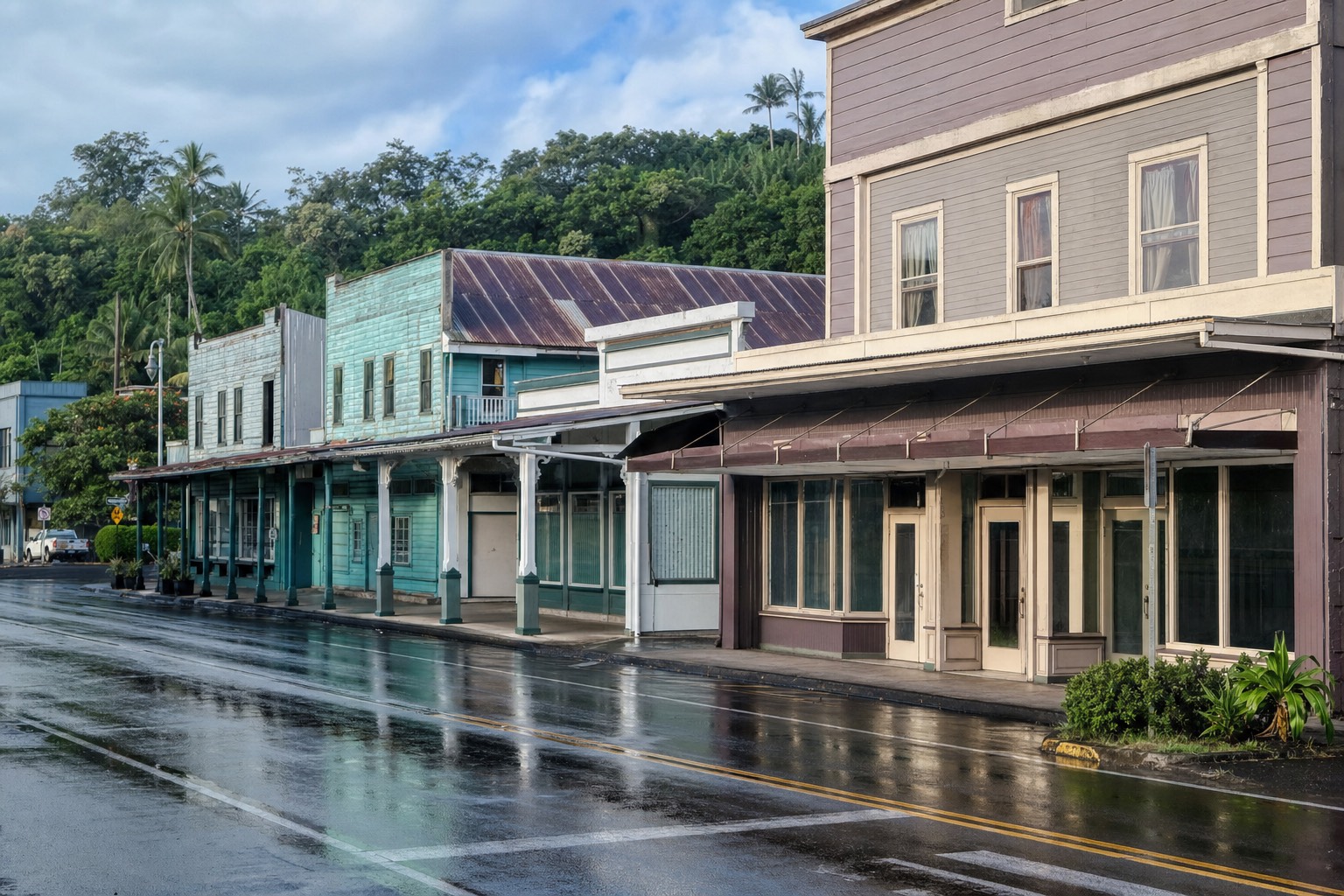
Yes, for an hour or two. The centuries-old wooden storefronts hold galleries, shops, restaurants and cultural sites in a few walkable blocks, and it is the best lunch stop between the falls and anywhere else you are headed. It is a town that rewards wandering more than planning.
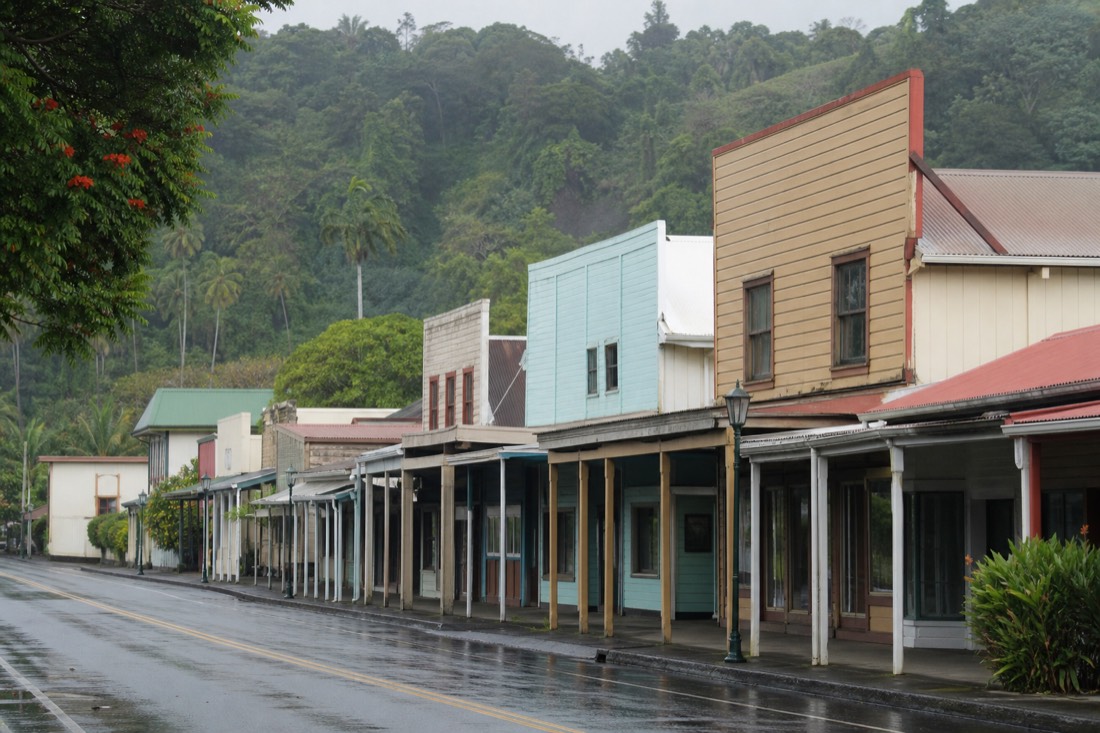
Downtown Hilo does not perform for visitors, which is exactly its charm. The buildings are plantation-era wood, the awnings sag a little, the paint is honest about the rainfall, and behind those fronts sit good galleries and better plate lunches. The state tourism office describes the storefronts as housing sophisticated galleries, shops, restaurants and cultural sites, and for once the brochure language undersells the feel of the place on a bright morning after rain.
My routine with guests is unglamorous and it works every time. Park once near the bayfront. Walk the storefront blocks, drift through whatever gallery has its door propped open, and eat wherever the line of local trucks and counters is longest. If the market is running, graze there instead and buy fruit for the afternoon. Then make the call: gardens if the sky is holding, a museum if it is not, the coast road north if you still have gas in the tank and daylight in the sky.
The thing I try to get across is that Hilo is a working town first. It has a port, a university, a hospital and a long memory, and the tourist layer sits lightly on top of all of it. That is why it feels different from the resort coast. Nobody here is performing aloha at you. If you are polite, unhurried and genuinely interested, the town opens up fast.
Three reliable shapes: Honomū on the way down for coffee and a snack, the farmers market downtown for fruit and cheap hot food, and the downtown counters and trucks for a proper plate lunch. Do not plan a formal sit-down meal into a falls day, because the timing rarely survives contact with the morning.
Food is where visitor days quietly fall apart. People finish the loop at 9:40am, decide they are not hungry yet, then hit downtown at 1pm alongside everyone else and lose forty minutes to a queue. The fix is to eat earlier and lighter than feels natural. Honomū sits ten minutes from the park gate with places to get coffee and something baked, and taking that stop turns the drive south into a relaxed one instead of a hungry one.
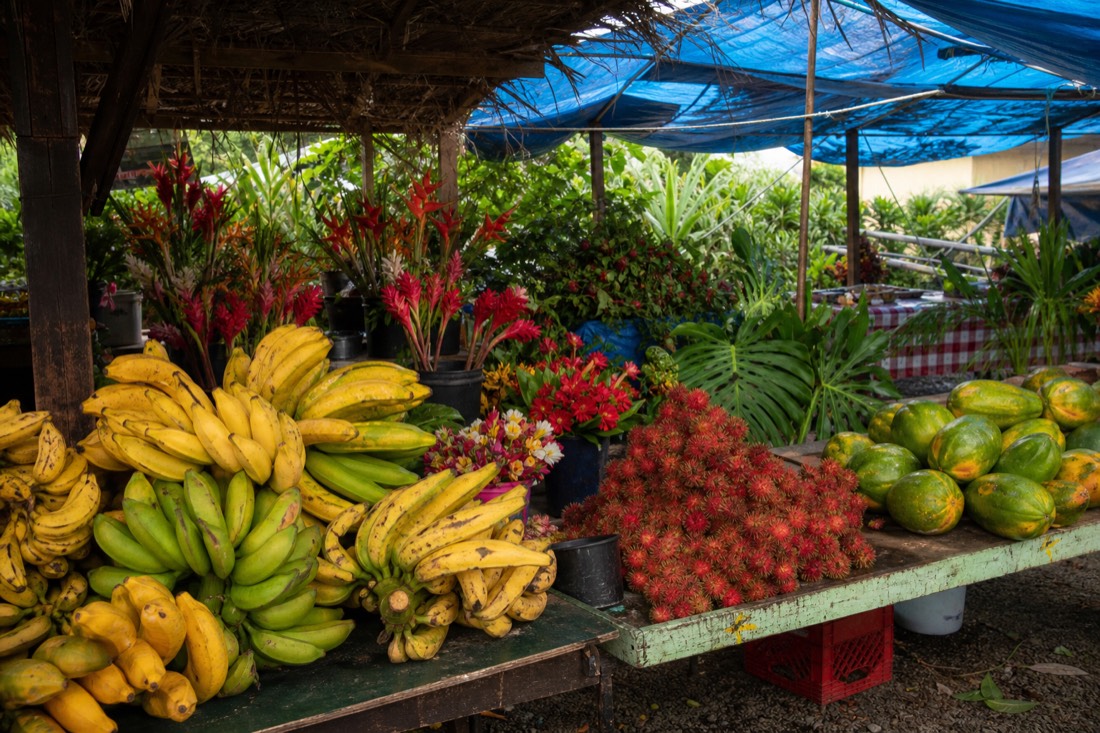
The Hilo Farmers Market is the best value stop of the day when it is running. The tourism board calls it one of the best open markets in the state, and what that means in practice is a block of stalls selling apple bananas, rambutan, lilikoi, plate food, banana bread and flowers, mostly cash-friendly and mostly cheap. I tell guests to buy fruit they cannot identify. It is the least risky adventure available on the island.
For a real meal, downtown is where I send people, and I deliberately do not name a favourite restaurant on this page. Hilo's food scene turns over, hours shift, and the honest advice is more durable than a name: look for the counter with the longest local line at noon, order the thing the person in front of you ordered, and eat it outside. If your group needs certainty rather than adventure, eat before the falls rather than after, because a 7:30am breakfast in Hilo buys you a clean run at the park at opening.
| Hour | Where | What it looks like | Why it works |
|---|---|---|---|
| 7:00 to 8:00am | Downtown Hilo | Breakfast before the drive north | Clean run to the 8:30am park opening |
| 9:45 to 10:15am | Honomū | Coffee and something baked | Ten minutes from the park gate |
| 10:30am to noon | Farmers market | Fruit, plate food, banana bread | Cheapest and most local option |
| Noon to 1:30pm | Downtown counters | Plate lunch, poke, saimin | Peak queue, so go early or late |
| Mid afternoon | Bayfront | Shave ice, fruit from the market bag | Keeps the afternoon moving |
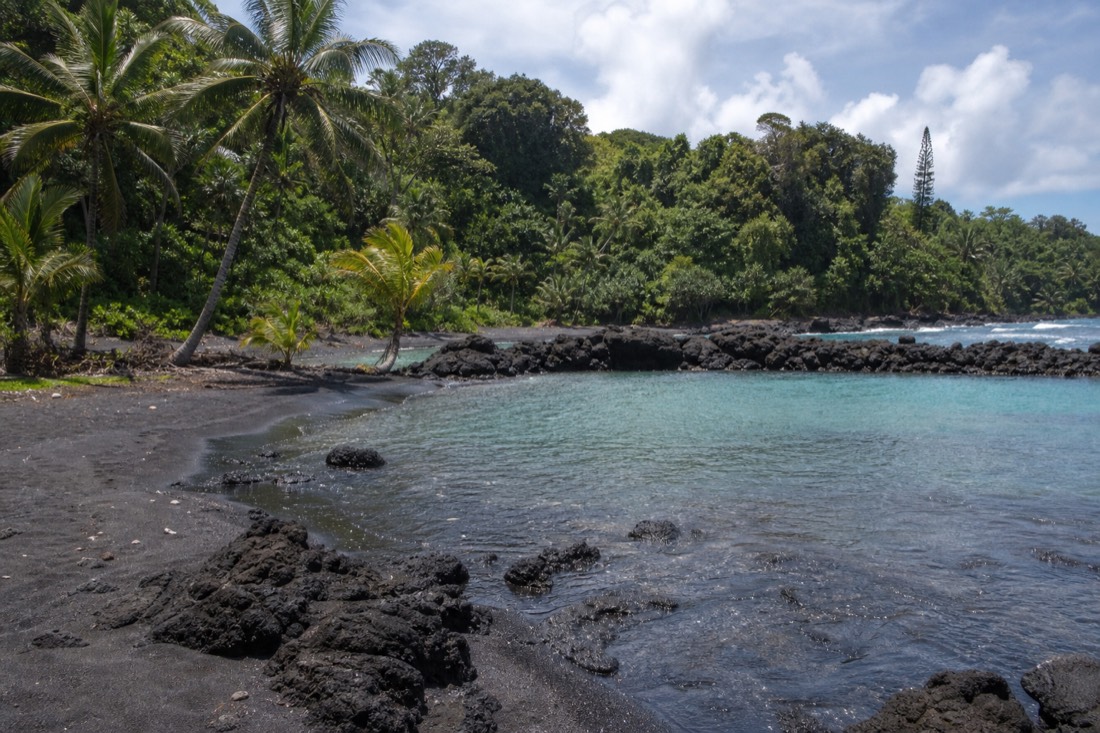
Richardson Ocean Park is the reliable one, a protected black-sand and lava cove east of town with tide pools, turtles and lifeguards. The bayfront itself is for walking rather than swimming. Coconut Island has been cut off since its footbridge failed, so check before you plan around it.
Hilo is not a swimming town in the way the Kona side is, and pretending otherwise gets people into trouble. The bay takes runoff from two rivers, and local advice is consistent about staying out of the water where those plumes reach. That is why the recommendation narrows quickly to a couple of protected spots east of town rather than the whole shoreline.
Richardson Ocean Park is the one I send families to. It is a sheltered lava cove with black sand, calm water inside the rocks, dense reef fish and green turtles grazing the shallows, plus restrooms, grass and lifeguards. Snorkel entry is on the left side of the beach, swimming parallel to the lava wall. For anyone who has spent the morning behind a fence looking at a waterfall they cannot touch, an hour in warm shallow water is a good closing note. The swimming guide explains why the falls themselves are viewing-only.
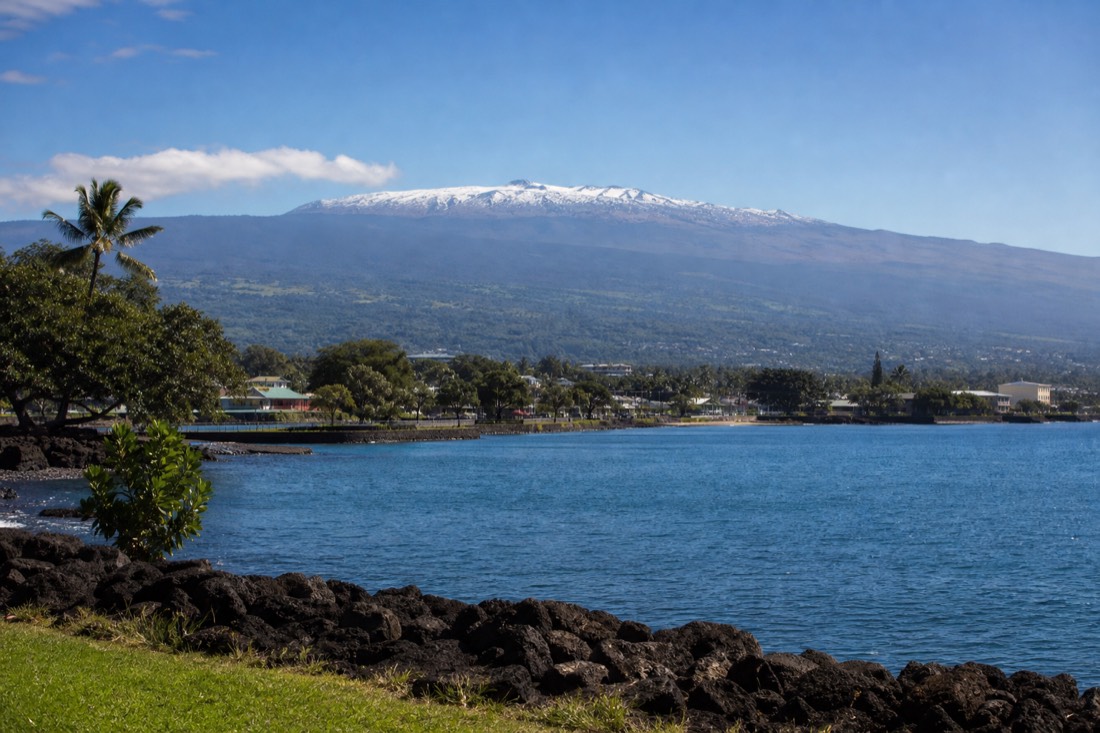
Coconut Island, or Mokuola, is the small park just offshore from Liliʻuokalani Gardens, reached by a footbridge from Banyan Drive. That bridge collapsed in late 2025 under the weight of county equipment, and the island has been closed since, with no quick reopening expected. I mention it because older guidebooks still send people there, and standing at a barricaded bridge is a poor use of a good afternoon. The gardens on the mainland side are unaffected and remain the better stop anyway.
Two state park entries at $5 per person plus $10 per vehicle each, a tank of gas, parking downtown, and whatever you spend on food and museum tickets. For two adults that is usually a modest day. The cost that surprises people is not money, it is the four hours of driving a Kona-based version adds.
Let me put real structure on this, because the fee questions arrive constantly and the answers are stable. ʻAkaka Falls State Park charges non-residents $5 per person plus $10 per non-commercial vehicle, credit card only, with Hawaiʻi residents free on a driver's licence or state ID and children three and under free. The state encourages paying before you arrive, since cell reception at the park is poor and the payment system needs a signal. Wailuku River State Park uses the same structure for its own gate, and that one payment covers both the Rainbow Falls and Boiling Pots sections.
Everything else on a Hilo day is either free or optional. The gardens are free. Downtown is free. The market costs whatever you eat. The museums and the garden at Onomea each have their own admission, and the zoo has its own gate arrangement. I break the whole falls-day budget down further in how much ʻAkaka Falls costs and, from the driving side, in what a Big Island waterfall day really costs.
| Line item | Hilo-based self-drive | Kona-based self-drive | Guided day |
|---|---|---|---|
| ʻAkaka Falls entry | $5 per person plus $10 parking | Same | Usually included |
| Wailuku River entry | $5 per person plus $10 parking | Same | Depends on the itinerary |
| Driving | 40 to 60 miles | 200+ miles round trip | None |
| Hours behind the wheel | About 1.5 | 4 to 5 | Zero |
| Flexibility | Total | Total, but tiring | Fixed itinerary |
| Local commentary | What you read beforehand | Same | A guide answering questions |
Read that table honestly and it tells you when to book and when not to. Hilo-based with a rental car, drive it yourself and use this page. Kona-based with one driver and a group who wants to see the volcano too, the guided version stops being a luxury and starts being the sensible option. The Hilo-side day that pairs the falls, Rainbow Falls and the volcano in one run covers the three things a self-drive struggles to fit before dark, and the park admissions are handled at the gate rather than by you.
Almost entirely on the falls, partly on Rainbow Falls and the volcano, and barely at all on the town. Guided days are built to cover distance, so they hit the headline sights and skip the bayfront, the market and the museums. A self-guided day covers the town well and struggles with the volcano.
This is the comparison nobody publishes, so here it is from the inside. Every falls-focused day out of Hilo puts you on the ʻAkaka loop, and the differences are in how long you get there and what else is bolted on. Some Hilo-side days schedule a full hour at the park, which is generous and lets you walk the loop at the pace it deserves. Others give you thirty-five to forty minutes, which is enough for the loop and no more. If the falls are the reason you came, that number matters more than the itinerary length.
What no guided day does well is Hilo itself. The market, the gardens, the arcades, the tide pools, the slow lunch: those need a car and an unstructured afternoon. So the split I recommend to two-day visitors is clean. Give one day to a guided run that reaches the volcano, and keep the second for Hilo and the coast at your own speed. For the guided half of that split, the circle day that takes in the volcano, the black sand at Punaluʻu and both waterfalls is the one that covers the most ground on a single ticket, and it leaves your own day free for the town.
| Element | Self-guided day | Guided day |
|---|---|---|
| ʻAkaka Falls loop | As long as you like | 35 minutes to a full hour |
| Rainbow Falls | Easy add, separate fee | Often included |
| Volcanoes National Park | Doable but a long return drive | The main reason people book |
| Downtown, market, gardens | Where a self-drive shines | Rarely included |
| Coast drive and Onomea | Yours to linger on | A window seat, no stops |
| Effort | Yours | None |
Three things: they treat Hilo as a lunch stop rather than a destination, they schedule the falls for the afternoon, and they try to fit the volcano, the town and the coast into a single unguided day. Any two of those three work beautifully. All three at once produces a day nobody enjoys.
The afternoon-falls mistake is the most common and the easiest to fix. Cloud builds on this coast as the day warms, the parking lot is fullest between eleven and two, and the light in the gorge goes flat. Moving the same visit to 8:30am costs nothing and improves everything. I have written the argument out at length in what I wish visitors knew, and it remains the single most useful sentence on this whole site.
The overpacking mistake is the expensive one, because it wastes a whole day rather than an hour. Volcanoes National Park deserves five hours minimum. Hilo deserves four. The coast drive north deserves three. You cannot have all of that plus a waterfall between breakfast and dinner, and the version where you try produces a blur of car parks. Pick two, do them properly, and let the third pull you back to the island another year.
The last mistake is subtler and it is about expectations. Hilo is not a pretty resort town. It is a rainy working port with a magnificent bay, a very old relationship with the ocean, and a rhythm that has nothing to do with tourism. People who arrive expecting Lahaina are disappointed by lunchtime. People who arrive expecting a real place tend to leave planning a return.
Go north. The coast road past the falls opens into the Hāmākua corridor, the botanical gardens, Laupāhoehoe Point and eventually the Waipiʻo Valley Lookout, and it makes a better second day than anything else within reach of Hilo. Save the volcano for a third day or a guided run.
The reason I push north rather than south for a second day is contrast. You have already done a waterfall, a town and a bay. What you have not done is the drive that made this coast famous, across gulch after gulch on a road that keeps bending inland and back out to the sea. The falls sit right on that corridor, so day two starts where day one ended, and the sights get progressively less visited the further you go.
Laupāhoehoe Point is the stop I would not skip. It is a flat lava peninsula below the highway with grass, palms and hard surf, and a memorial on the knoll above the bay carrying the names of the schoolchildren and teachers killed there by the 1946 tsunami. Standing at that stone after visiting the tsunami museum downtown joins two halves of the same story. Do not go in the water there; the ocean at that point is genuinely dangerous.
Further north the road reaches Honokaʻa, the friendly gateway town to Waipiʻo, and then the road ends at the lookout over the sacred valley. Access down to the valley floor is restricted under county emergency rules, so plan around the rim view rather than the descent. The Waipiʻo and Hamakua guide sets out exactly what is open and what is not, and the coast drive post covers it bridge by bridge.
Hilo is not a checklist town. It is a rhythm town, and the rhythm is simple: waterfall early, food in the middle, one good thing after. Guests who try to do all eight table rows in a day come back tired and remember none of it. Guests who do four come back asking how soon they can return, and usually asking whether the coast keeps going north like that the whole way. It does.
Full day
from $188per person, varies by date Check availability →7 to 8 hours
from $179per person, varies by date Check availability →Half day
from $309per person, varies by date Check availability →